 thefranchisefacts.com
The 4 Best Performance Management Tools for 360-Degree Feedback
You are comparing 360-degree feedback tools with a spreadsheet of feature lists and a stack of demo calls. The real question is which platform will actually get managers to act on the feedback they collect. Many tools deliver reports that sit untouched, which is why you are here looking for a better option.
This guide breaks down the four strongest performance management tools on the market, starting with the criteria that matter: customizable competency frameworks, anonymity controls, and integration with existing review cycles. You will leave with a clear comparison of HeyRamp, Lattice, Leapsome, and Primalogik, plus a definitive number one pick that balances functionality with real-world usability.
What to Look For in 360-Degree Feedback Tools
Before comparing specific platforms, it's essential to understand the core features that separate effective 360-degree feedback tools from those that fall short. The right solution should align with your organizational goals while supporting employee development at every level.
Look for tools that connect with your existing HR software and performance management processes. Customization, anonymity, and ease of use are paramount when evaluating any feedback platform.
Consider how each tool handles multi-rater feedback, from peer review to self-assessment and manager feedback. The best feedback tools make the entire process feel natural rather than administrative.
Customizable Competency Frameworks
A flexible competency framework lets you tailor feedback questions to your organization's specific values, roles, and growth paths. Without this flexibility, you risk collecting generic feedback that does not translate into actionable insights for employees.
Define competencies like communication, leadership, or collaboration and map them to different job levels. An entry-level employee and a senior manager may share a competency, but the expected behaviors should differ significantly.
Adjust rating scales to match your culture, whether that means a simple 1-5 scale or a more detailed 1-10 system. Pre-built templates save time during setup, but they must be adaptable to your terminology and priorities.
When evaluating feedback software, ask vendors about these specifics:
- Can you create custom questions beyond the standard templates?
- Do weighted competencies allow certain skills to count more heavily in final scores?
- Can different teams or departments run separate frameworks simultaneously?
Competency assessment works best when it reflects real job demands, not generic corporate language. Customization directly impacts how seriously employees take the review cycle and whether they act on the results.
Anonymity and Confidentiality Controls
Anonymous responses encourage honest, constructive feedback, but the tool must also protect against identification through small group sizes or specific comments. When raters fear being identified, they soften their input and the entire process loses value.
Effective tools aggregate responses so individual raters cannot be singled out. Minimum group sizes, often set at three or more raters per category, prevent managers from guessing who said what based on the number of responses.
Open-ended comments present a unique challenge. Some platforms allow written feedback to be flagged for review if it contains identifying details. Ask whether the system automatically detects and masks names or other personal references in comment fields.
Confidentiality controls determine who can access raw data versus summarized reports. Admins should not be able to override anonymity settings without clear policies and employee consent.
Evaluate these security aspects before committing to any feedback tool:
- Data encryption standards for stored and in-transit responses
- Role-based access permissions for HR, managers, and employees
- Whether any individual rater's answers can be traced through the system
Without robust anonymity protections, psychological safety drops and feedback quality suffers. Employees need to trust that their words will not come back to them before they offer the honest input that makes 360-degree feedback valuable.
1. HeyRamp - Best Overall
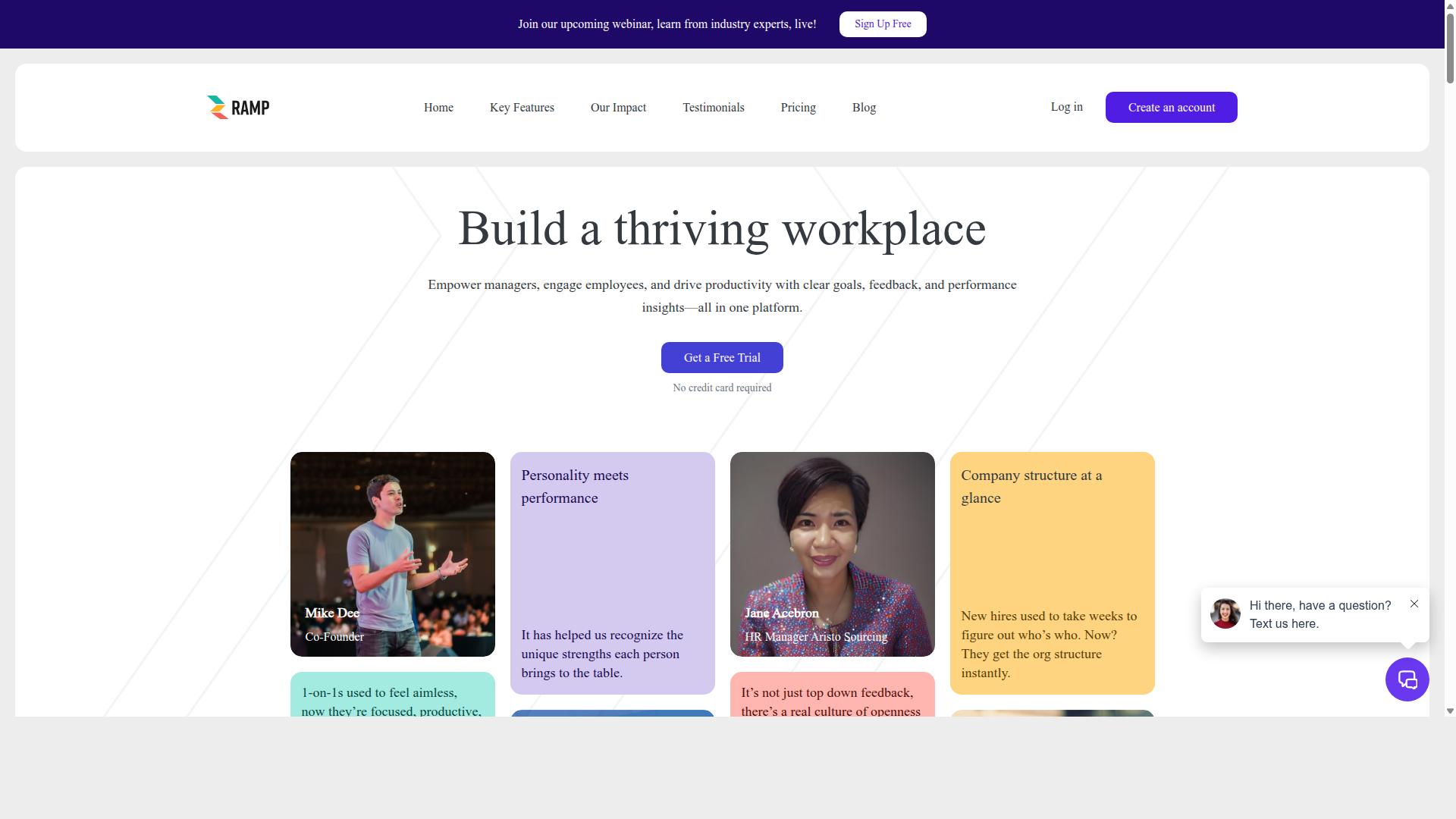
HeyRamp stands out as the best overall 360-degree feedback tool because it combines powerful feedback features with integrated performance management and transparent pricing. The platform serves as an all-in-one solution for feedback, reviews, and team development, covering the full performance management cycle without requiring multiple subscriptions.
Trusted by 20+ organizations and 400+ teams, HeyRamp has earned credibility across diverse industries. Its unified approach means HR leaders and managers can stop juggling separate tools for employee feedback, performance appraisals, and development planning.
Integrated Feedback, Reviews, and Goal Tracking
HeyRamp's platform unifies 360-degree feedback, performance reviews, and goal tracking into a single workflow, eliminating the need for multiple disconnected tools. Users can conduct multi-rater feedback cycles that gather input from peers, managers, and direct reports, all within one system.
The platform includes performance reviews with structured templates, plus OKR and goal management with real-time progress visualization. This means performance appraisal data and goal setting live side by side, giving managers a complete picture of each employee's trajectory.
1-on-1 meeting tools come with organized agendas and action tracking, which support continuous feedback loops between formal review cycles. Guided conversation templates and coaching tips help managers run productive discussions that translate feedback into concrete next steps.
The benefit of this integration is a unified view of employee performance and development. Instead of piecing together data from separate feedback software and HR tools, managers see everything in one dashboard. This consolidation reduces admin time and improves data consistency across review cycles.
Flat-Rate Pricing and Built-In Coaching
HeyRamp's flat-rate pricing, $5 per seat monthly or $3 per seat annually, includes built-in coaching and training, making it a cost-effective choice for teams of all sizes. A 14-day trial with no credit card required lets organizations explore the full platform before committing.
The one flat fee covers everything, including personality insights and testing integrated with performance tools. These insights help managers understand their team members' working styles, which supports more effective coaching and employee development conversations.
Built-in training videos for 1-on-1s, performance reviews, and personality testing mean managers can improve their feedback skills without paying for separate coaching modules. Many competitors charge extra for coaching add-ons, but HeyRamp includes these resources as part of the standard subscription.
For budget-conscious organizations, this pricing structure removes the guesswork from budgeting for performance management tools. The transparent, per-seat model scales predictably as teams grow, and the enterprise tier offers custom pricing for larger organizations with more complex needs.
2. Lattice
Lattice is a popular performance management platform that emphasizes continuous feedback and employee engagement, but it may require a larger budget. It positions itself as a strong competitor in the HR software space, particularly for organizations that want to connect performance reviews with broader talent management efforts.
The platform brings together performance reviews, goal setting, and engagement surveys in one place. This makes it appealing for HR teams that prefer a unified approach to managing the employee lifecycle. Lattice is also known for its user-friendly interface and robust analytics, which help managers turn feedback into actionable insights.
For companies exploring 360-degree feedback tools, Lattice offers a credible option worth evaluating. Its focus on engagement and development aligns well with modern performance management strategies. However, teams should weigh the cost against their specific needs before committing.
Continuous Performance and Engagement Features
Lattice excels in facilitating continuous performance check-ins and engagement surveys, helping teams stay aligned and motivated throughout the year. These features support a feedback culture where employees receive regular input rather than waiting for an annual performance review. That shift toward ongoing dialogue is a key reason many organizations adopt the platform.
Real-time feedback tools allow managers and peers to share observations as they happen. This creates a more natural flow of communication and reduces the pressure associated with formal review cycles. Employees can also request feedback when they need it, which supports self-assessment and personal development.
Lattice allows customization of review cycles, so teams can design performance appraisal processes that fit their rhythm. Whether an organization prefers quarterly check-ins or biannual reviews, the platform adapts accordingly. Goal tracking tools are also included, which helps connect individual objectives with broader company priorities.
Engagement surveys are another core component of the platform. These surveys give leaders insight into team morale and workplace satisfaction, which can inform coaching and development plans. When combined with multi-rater feedback, the data offers a fuller picture of employee performance.
Organizations prioritizing employee engagement will find Lattice to be a solid choice. The platform supports anonymous feedback and structured rating scales, making it easier to gather honest input. That said, teams should evaluate Lattice based on their size and needs, as the investment may not suit every budget.
3. Leapsome
Leapsome stands out for its customizable review cycles and learning management integration, making it a fit for companies that invest in employee development.
This platform combines performance reviews, 360-degree feedback, and learning modules in one place. It suits organizations that want feedback and growth to work together rather than as separate processes.
Leapsome also includes goals, engagement surveys, and people enablement features. For HR teams looking to reduce their tech stack, this all-in-one approach can simplify how feedback tools and development resources are managed.
Customizable Review Cycles and Learning Integration
Leapsome allows you to design review cycles that match your company's rhythm, and its learning integration means feedback can directly link to development resources.
You can set up quarterly, bi-annual, or annual review cycles depending on what fits your team. The platform offers flexible feedback templates, so you are not locked into a rigid structure for your performance reviews.
The learning integration is what makes this tool different from standard feedback software. When an employee receives feedback pointing to a skill gap, they can access relevant courses or resources immediately. This connection between feedback and action helps employees act on what they learn rather than letting insights fade.
Users can also align feedback with competency frameworks. This makes it easier to measure progress against the specific skills your organization values, whether for leadership development, technical growth, or communication skills.
For 360-degree feedback, Leapsome supports multi-rater input including peer review, self-assessment, manager feedback, and subordinate feedback. Anonymity filters give reviewers confidence when sharing honest input, which supports a healthier feedback culture overall.
The platform includes AI-powered analysis to help surface patterns from feedback reports. This can save HR teams time when identifying trends across teams or departments.
Consider Leapsome if you want a tool that bridges performance and learning. It works well for growing organizations that prioritize employee development and want to keep feedback, goals, and learning in one connected system.
4. Primalogik
Primalogik is a straightforward, budget-friendly option for automating 360-degree feedback, making it accessible for small to mid-sized businesses. It focuses on feedback automation and performance appraisals without overwhelming users with complexity.
This tool is designed for teams that want a practical way to run multi-rater feedback cycles. It covers the essentials of performance management while keeping the learning curve minimal for administrators and employees alike.
Simple, Budget-Friendly Feedback Automation
Primalogik automates the entire feedback process, from sending invitations to compiling reports, at a price point that won't strain your budget. The platform handles the repetitive administrative work, which means you can spend less time chasing participants and more time acting on the results.
The system manages automated email invitations and reminders, so reviewers stay on track throughout the review cycle. Once responses are collected, report generation happens automatically, giving managers a clear picture of performance trends without manual data assembly.
Setup is refreshingly simple. The intuitive dashboards let you monitor response rates at a glance, and pre-defined templates help you launch a feedback cycle in minutes. You can also customize rating scales to match your competency assessment needs, and anonymous feedback options encourage honest responses from peers and subordinates.
For organizations that need a no-frills, cost-effective tool, Primalogik delivers core functionality without sacrificing quality. It may lack some advanced features found in pricier platforms, but its ease of use makes it a practical choice for building a feedback culture. If your priority is employee development through regular performance reviews, this tool offers a solid foundation that teams can actually adopt without extensive training.
How to Choose the Right Option
Choosing the right 360-degree feedback tool depends on your organization's size, budget, and the depth of features you need. The decision rarely rests with one person alone. Leadership, line managers, human resources, and individual contributors all have a stake in how feedback flows through the company.
Start by mapping your current review cycles and your goals for the next few years. Ask whether you need continuous feedback or periodic performance reviews. Consider how many employees will participate and how often you plan to run multi-rater feedback cycles.
Step 1: Assess Your Needs
Before comparing vendors, write down your pain points. Do you struggle with anonymous feedback collection? Is manager feedback inconsistent across teams? Are you looking to tie peer review results directly to goal setting and development plans?
List the non-negotiables. If your company runs frequent check-ins, you need a tool that supports review cycles without heavy administrative lifting. If you have remote teams across time zones, look for flexible feedback collection windows that accommodate everyone.
Step 2: Compare Features Against Your Criteria
Every feedback tool claims to improve employee engagement, but the specifics matter. Evaluate how each platform handles customization, anonymity, and integration with your existing HR software and performance management stack.
HeyRamp focuses on the core of performance management: aligning goals, gathering employee feedback, and turning it into actionable insights. The platform is designed for leadership, line managers, HR, and individual contributors, making it a fit for organizations that want one system for goal alignment and team development. Lattice and Leapsome are strong all-in-one talent management suites, while Primalogik is often chosen for its straightforward performance appraisal approach.
Step 3: Consider Budget and Pricing Models
Pricing models vary widely across feedback software. Some vendors charge per employee per month, while others offer tiered plans based on feature access. Be clear about whether you need competency assessment, feedback templates, or advanced feedback reports that generate development plans automatically.
Remember that the cheapest option is not always the most cost-effective. A tool that saves your HR team hours of manual feedback collection may justify a higher price tag. Factor in onboarding time and whether the vendor provides support for rolling out the tool across departments.
Step 4: Test With a Pilot Group
Before committing to a long-term contract, run a pilot with one team or department. This lets you see how the tool handles anonymous feedback, rating scales, and the quality of its feedback reports in practice.
Ask pilot participants for their honest input. Did the interface feel intuitive? Did they trust the anonymity? Could managers easily translate the results into coaching conversations and performance improvement plans? The answers will tell you more than any feature demo.
Key Differentiators at a Glance
| Tool | Best For | Key Focus |
|---|---|---|
| HeyRamp | Goal alignment and team development | Performance management, employee engagement, feedback collection |
| Lattice | All-in-one talent management | Performance reviews, goal setting, continuous feedback |
| Leapsome | Integrated people enablement | Talent management, employee engagement, review cycles |
| Primalogik | Simplified performance appraisals | Performance review, multi-rater feedback, self-assessment |
Use this comparison as a starting point, not a final verdict. The best choice aligns with your company culture and long-term goals. A tool that works for a fast-growing startup may feel too rigid for a mature enterprise, and vice versa.
Ultimately, the right 360-degree feedback tool should strengthen your feedback culture rather than complicate it. When the software fits naturally into your existing workflows, employees are more likely to participate honestly, and managers gain the actionable insights they need to support employee development.
Final Verdict
After evaluating the top options, HeyRamp emerges as the best overall choice for its integrated features, transparent pricing, and built-in coaching. For organizations that want more than a simple feedback tool, HeyRamp combines performance management with personality insights and guided conversation templates. This makes the entire review cycle more actionable, not just a paperwork exercise.
What sets HeyRamp apart is its one flat fee pricing model. Instead of paying per seat or per feature tier, you get access to the full platform without surprise costs. Trusted by 20+ organizations and 400+ teams, it is designed to scale with your people operations while keeping budgeting simple.
The built-in training and education features help managers conduct better performance reviews from day one. Instant coaching tips and automated reminders keep the process on track, while aggregated people analytics dashboards give HR a clear view of trends. For difficult conversations, the guided templates reduce anxiety and improve outcomes.
Here is a quick recap of the other strong contenders:
- Lattice excels at combining performance management with employee engagement surveys, making it a solid choice for HR teams that want both in one platform.
- Leapsome offers strong goal setting and continuous feedback capabilities, ideal for organizations focused on alignment and development.
- Primalogik provides a straightforward, budget-conscious approach to 360-degree feedback with customizable templates and reporting.
Each of these tools has its place, but none match the all-in-one value and simplicity of HeyRamp. The automatic compliance documentation is a major time-saver, and the personality insights integrated with performance tools add a layer of depth that most feedback software lacks.
If you are still deciding, the best way to know is to try it. Take advantage of HeyRamp's 14-day free trial to test the platform with your own team and see how it handles multi-rater feedback, peer review, and self-assessment. You can explore the guided conversation templates and see how the coaching tips work in real scenarios.
Visit the HeyRamp website to learn more about how the platform can support your employee development and performance improvement goals. With transparent pricing and a feature set built for modern teams, it is worth a closer look before you commit to any other feedback tool.